

What Private Aviation Travelers Need to Know
With the 2026 FIFA World Cup approaching, travel demand across North America is set to reach unprecedented levels. For private travelers, this means a more complex operating environment.
At Sentient Jet, our priority is to keep you informed, prepared, and fully supported. Here’s what to expect, and how we’re staying ahead on your behalf.
What’s Happening
The World Cup will create one of the busiest aviation periods the U.S. has ever experienced. Even for domestic travel, Card Owners should anticipate increased congestion, evolving operational constraints, and elevated costs, especially when flying near host city regions.
While these conditions may introduce added complexity, it’s important to note: safety standards remain unchanged and uncompromised.
Operational Impacts to Expect
Air Traffic & Airport Congestion
Airspace demand around match days will significantly increase, prompting Air Traffic Control (ATC) initiatives such as flow programs, ground delays, and revised routings. These measures are designed to maintain safe spacing between aircraft and may result in longer travel times and adjusted departure windows.
Importantly, these effects extend beyond major airports. Alternate airports and reliever fields, often used for private aviation, are already experiencing increased traffic and constraints.
Special Event Fees & FBO Constraints
Airports and Fixed Base Operators (FBOs) are implementing World Cup-related event fees, with pricing currently ranging from approximately $250 to over $10,000 depending on location, aircraft type, and timing.
In some markets, travelers may also encounter:
- Limited or restricted parking
- Mandatory repositioning of aircraft
Security & Screening
Enhanced security protocols may be introduced at select airports, which could increase processing times for both passengers and crew. As the tournament approaches, these procedures may evolve quickly based on demand and location.
International Considerations: Canada & Mexico
While many Card Owners will be traveling domestically, it’s important to note that Canada and Mexico, both host nations, strictly enforce cabotage regulations.
Any international segments, including those involving passenger changes, should be reviewed in advance to ensure full compliance.
How Sentient Jet is Navigating This
Major global events require thoughtful planning and real-time adaptability. Our teams are already working proactively to minimize disruption and maintain the seamless experience you expect.
We will be actively monitoring airport conditions, special event fees, FBO availability, and air traffic constraints in real time.
We will work closely with handlers, airport authorities, and ATC partners to anticipate restrictions even before they are formally published and adapt quickly as conditions evolve.
When congestion or elevated costs arise, we will proactively recommend alternate airports, adjusted routings, or schedule modifications to help reduce delays and manage costs wherever possible.
Flexibility remains key, and our goal is to keep your travel moving smoothly despite a rapidly changing operational environment.
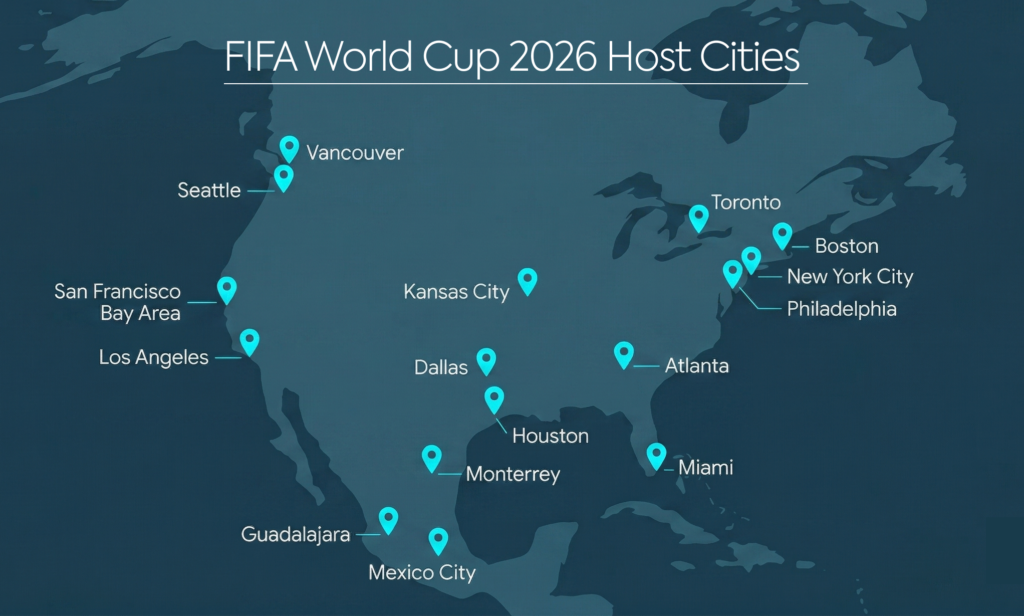
Regions Expecting Elevated Impact
World Cup-related demand is extending well beyond host airports, with ripple effects sometimes reaching surrounding regions within a 200-mile radius.
Areas expected to see the greatest impact include:
Atlanta • Boston • Dallas • Houston • Kansas City
Los Angeles • Miami • New York City Area • Philadelphia
Seattle • San Francisco Bay Area
Toronto • Vancouver
Guadalajara • Mexico City • Monterrey
Travelers flying anywhere near these areas should plan well in advance and expect potential adjustments.
Travel Tips for a Smoother Experience
The 2026 World Cup will bring extraordinary demand to the aviation system, but with the right planning and support, your travel can remain seamless. With Sentient Jet’s expertise and trusted relationships, we’re here to guide every detail.
Early planning, flexibility, and close coordination will be key. We will continue to monitor conditions and provide guidance as they evolve.
We invite you to connect with us to plan or review any upcoming travel.
Travel Documentation Requirements (REAL ID Advisory)
As travel volumes increase, it’s important to ensure all passengers have the proper identification prior to departure.
As of May 7, 2025, the Transportation Security Administration (TSA) requires travelers to present a REAL ID–compliant driver’s license or another federally accepted form of identification—such as a valid passport—for all domestic flights.
Private aviation flights operate under strict identification protocols, and exceptions cannot be made at the time of departure. Passengers who do not present an approved form of identification will not be permitted to board.
We recommend confirming all passenger documentation in advance to avoid any disruption to your travel plans.
Frequently Asked Questions
How will the 2026 FIFA World Cup impact private aviation?
The tournament will create one of the busiest aviation periods in U.S. history, leading to increased air traffic, airport congestion, special event fees, and evolving operational restrictions across North America.
Will travel delays be common during the World Cup?
Yes. Air Traffic Control initiatives such as ground delays, flow programs, and revised routings are expected, especially on match days and in regions within roughly 200 miles of host cities.
Are private airports and FBOs affected too?
Absolutely. Many alternate airports and FBOs are already implementing event fees, limiting parking, or requiring aircraft repositioning due to heightened demand.
What additional costs should travelers expect?
Special event fees at airports and FBOs may range from a few hundred dollars to over $10,000 depending on location, aircraft type, and timing.
Will security procedures change?
Some airports may introduce enhanced screening or additional security protocols, which could increase processing times for passengers and crew.
What should I know about international travel to Canada or Mexico?
Both countries strictly enforce cabotage regulations. Any itinerary involving international segments or passenger changes should be reviewed in advance to ensure compliance.
How is Sentient Jet helping travelers navigate these challenges?
Sentient Jet is proactively monitoring airport conditions, fees, FBO availability, and ATC constraints in real time. The team will recommend alternate airports, routing adjustments, or schedule modifications to minimize delays and manage costs.
Which regions will experience the most impact?
High‑impact areas include Atlanta, Boston, Dallas, Houston, Kansas City, Los Angeles, Miami, New York City, Philadelphia, Seattle, San Francisco, Toronto, Vancouver, Guadalajara, Mexico City, and Monterrey.
Do I need a REAL ID for private aviation flights?
Yes. As of May 7, 2025, all travelers—including those flying privately—must present a REAL ID–compliant driver’s license or another federally accepted form of identification, such as a valid passport, for domestic travel.
Passengers who do not have an approved form of identification will not be permitted to board. We recommend confirming documentation for all passengers in advance of your trip.
How can I ensure a smoother travel experience?
Plan early, stay flexible, and coordinate closely with Sentient Jet. Their team will continue to provide updated guidance as conditions evolve.